Tim’s Take: Danielle Riddle runs one of North America’s most respected corporate travel management firms, and her approach to executive travel aligns closely with what I see when reviewing wellness hotels through the Restorative Index. She treats the entire journey as a performance system, not just the destination. This is a perspective more leaders need to hear, and I’m glad to share it here.
I’ve spent my career helping high-performing leaders travel the world without losing the edge that makes them successful.
For many executives, travel isn’t a pause from work; it’s simply another professional landscape. Decisions are made mid-flight, relationships are built over dinners in new cities, and energy must be managed with intention.
Over time, I’ve learned that wellness-infused travel isn’t a luxury add-on; it’s a performance tool. It lives where thoughtful design, humanized service, and pragmatic performance science intersect.
We talk often about “re-humanizing” travel. To me, that means putting the person before the logistics. Luxurious sheets and a decadent breakfast are wonderful, but they’re the supporting characters.
The lead role belongs to a travel experience built so leaders arrive as themselves, perform at their best, and leave restored, not depleted.
What High Performers Teach Us
No two high performers are the same. Some crave structure; others recharge through contrast. Yet across personalities and industries, a few truths repeat themselves.
Consistency beats novelty
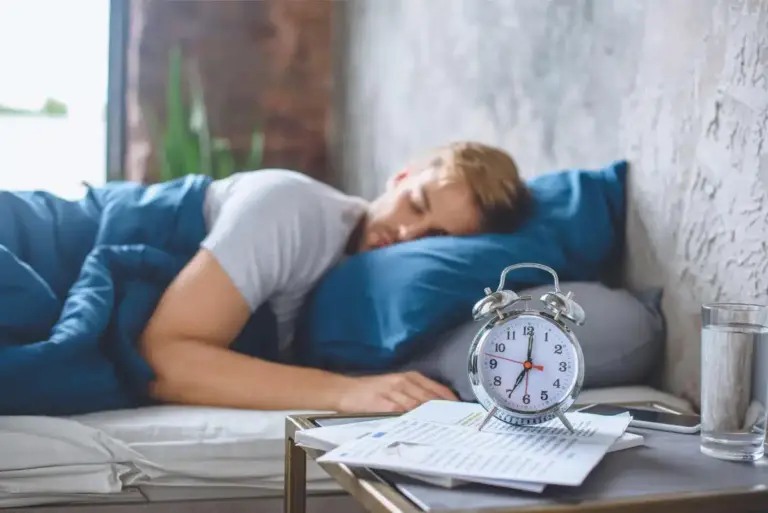
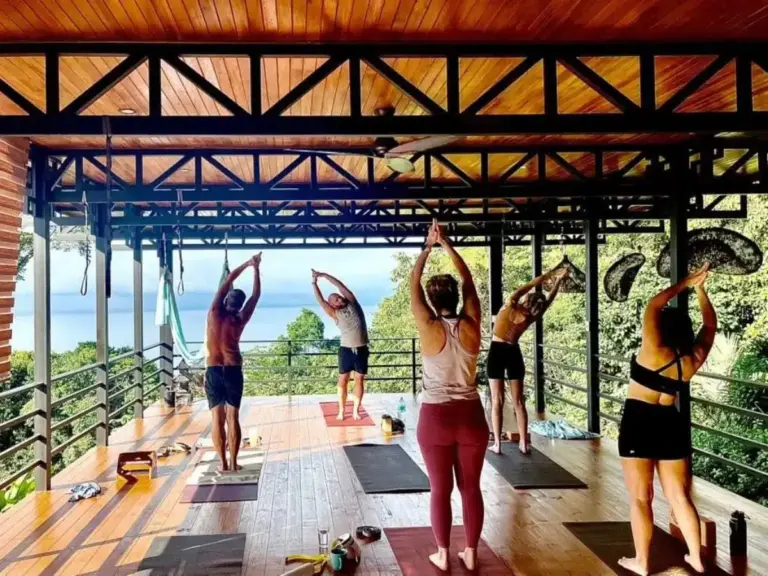
The rituals that keep someone grounded (sleep patterns, morning movement, mindful nutrition) are the real non-negotiables. Break them, and fatigue follows fast. Preserve them, and performance remains steady regardless of the time zone.
Energy matters more than time
Executives plan by the hour, but we plan by energy. The smartest itineraries protect high-energy windows for creativity and collaboration, leaving lower-energy moments for admin, recovery, or reflection.
Small details, big returns
A curated pillow, a quiet room for a twenty-minute reset, a layout that allows space to stretch, all of it matters. Tiny investments prevent the domino effect of exhaustion, bad calls, and low morale.
People perform best when they feel known and safe
High-touch service isn’t about showiness. Think of a duck gliding across a pond, smooth and calm on the surface, paddling furiously underneath. That’s our philosophy: every moving part handled quietly behind the scenes so the traveller never feels the strain. Clients consistently tell us those seamless touches make all the difference, even if they barely notice them in the moment.
How We Build Wellness into Every Trip
Pre-trip: essential insights
Before a journey begins, we capture a few quick details (sleep habits, movement preferences, medical needs, and time-zone resilience), to build a short “travel brief.” Then we plan flights around energy rather than convenience.
If a 9 a.m. meeting looms, we avoid same-day arrivals unless we have built in rest time. Finally, a compact wellness kit with earplugs, a sleep mask, magnesium spray, electrolytes, and a healthy snack helps prevent last-minute fatigue and poor choices.
In-flight and transit: protecting the long-haul window
The long-haul leg is where recovery happens. Smart seat selection, pre-boarding for a quick stretch, and light movement during flight can turn a draining journey into a time of restoration.
We recommend managing light exposure and hydration, and practicing simple wind-down rituals to land alert rather than bleary.
On property: designing rooms to perform
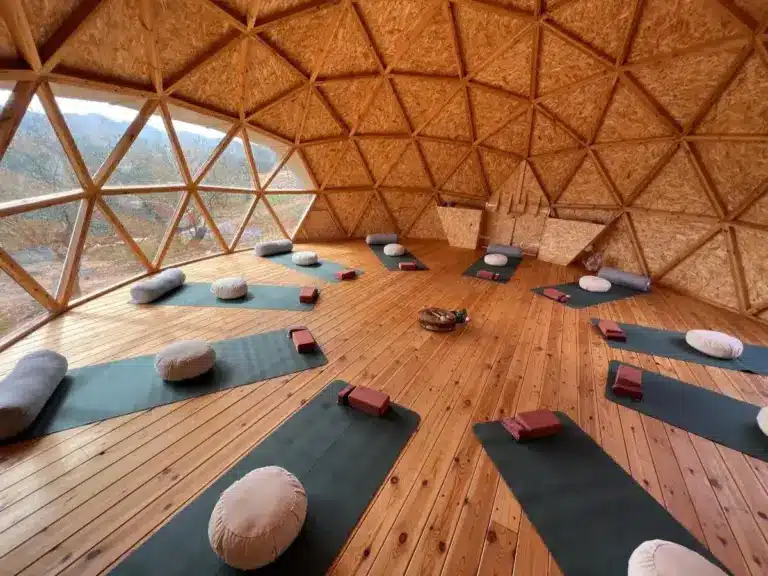
When confirming hotels, we send a short list of requirements: blackout curtains, a quiet location, an open space for movement, a kettle for warm drinks, and room-service windows that align with meal times. Even without a gym, a 15-minute mobility session keeps focus sharp.
Meeting design: weaving wellness into work
Meetings aligned with circadian rhythms perform better. Fewer back-to-backs, more intention. Ten-minute walking breaks reset attention spans, and a short walk-and-talk often sparks more creativity than another conference-room session. I’ve watched a morning walk before a strategy meeting completely change a team’s energy and productivity.
Recovery and resiliency: the quiet ROI
Short naps, guided breathwork, and digital-free evenings multiply clarity. So does nutrition. Low-GI, protein-rich meals, portable snacks, and hydration reminders may sound basic, but they sustain cognitive sharpness when it counts.
Curated experiences that actually matter
Wellness-infused travel isn’t about ticking the spa box. It’s about meaning. For one client, a sunrise hike before an offsite sparks honest conversation; for another, a five-minute breathwork session before a keynote keeps nerves in check. These are the small, deliberate moments that hold a trip together.
The Power of Bleisure
As work and life blend, executives increasingly want travel that supports well-being. Bleisure, the blending of business and leisure, offers that balance. Whether exploring a new city, enjoying a spa day, or simply decompressing, the extra space fuels clarity and creativity.
When travel is already managed professionally, extending the trip is effortless. Flights are booked, logistics handled, and stress removed. Leaders can actually rest, returning home more focused and engaged. The benefit isn’t just personal; it shows up in company culture, retention, and performance.
Measurement and Humility
We measure success in outcomes: Was the leader present? Were decisions sharper? Did the team feel cohesive?
Simple data like sleep quality and energy levels, combined with honest feedback, help us refine continuously. Travel is messy, and personalization is never finished. But that’s the beauty of it, every small human touch compounds.
“Wellness-infused travel isn’t about luxury for luxury’s sake. It’s about designing experiences that allow leaders to perform, connect, and recover, so they come home better than they left.” – Danielle Riddle
Luxury alone isn’t the destination. It’s what you do with the time luxury buys you. My advice to executives is simple: treat travel as part of your operating environment, not an interruption to it.
Protect the rituals that sustain performance, invest in the details that remove friction, and design experiences that restore more than they drain.

Danielle Riddle is the CEO of Inspired Travel Group, a Canadian and US-based corporate travel management firm recognized as Canada’s Leading Travel Management Company for 2024 & 2025, and the USA’s Leading Travel Management Company for 2025. She is a passionate advocate for humanized executive travel, focusing on wellness, personalization, and performance-driven design for global leaders.